Learning Opportunities
Students have the opportunity to get hands on experience learning from some of the most award-winning, highly experienced instructors in all aspects of a cappella. Check out our classes from previous years!

Beginning Arranging
(Suggested level for 7th-10th graders)
Students will learn the fundamental steps for creating an original arrangement for their vocal ensemble. The class explores voice ranges, chord structure, syllable choices, texture, text, style, and how to structure parts within a group. As a class, students will collaboratively develop a short, performable arrangement of a contemporary song while also experimenting with improvisation as they build vocal and percussion lines. Recommended preparation includes basic music theory knowledge (note names and counting skills), an understanding of vocal ranges, and intermediate sight-reading or aural skills. Familiarity with notation software such as Finale or Sibelius and previous dictation experience can also be helpful.

Advanced Arranging
(Suggested level for 11th graders through adults)
Students will explore more advanced techniques for writing and shaping a cappella arrangements while pushing their creativity and musical voice. The class will focus on interpreting song meaning, stylistic choices, writing for a group’s strengths and weaknesses, and structuring songs with effective transitions. As a class, students will collaborate to develop a short, performable arrangement of a contemporary song while also building improvisational skills by creating their own vocal and percussion lines. Prerequisites include a strong understanding of music theory, prior arranging experience for vocal ensembles, and intermediate to advanced sight-reading or aural skills. Students are encouraged to bring examples of their own arrangements to refine and improve during the course.
Audio Recording
(Suggested level for High School and Above)
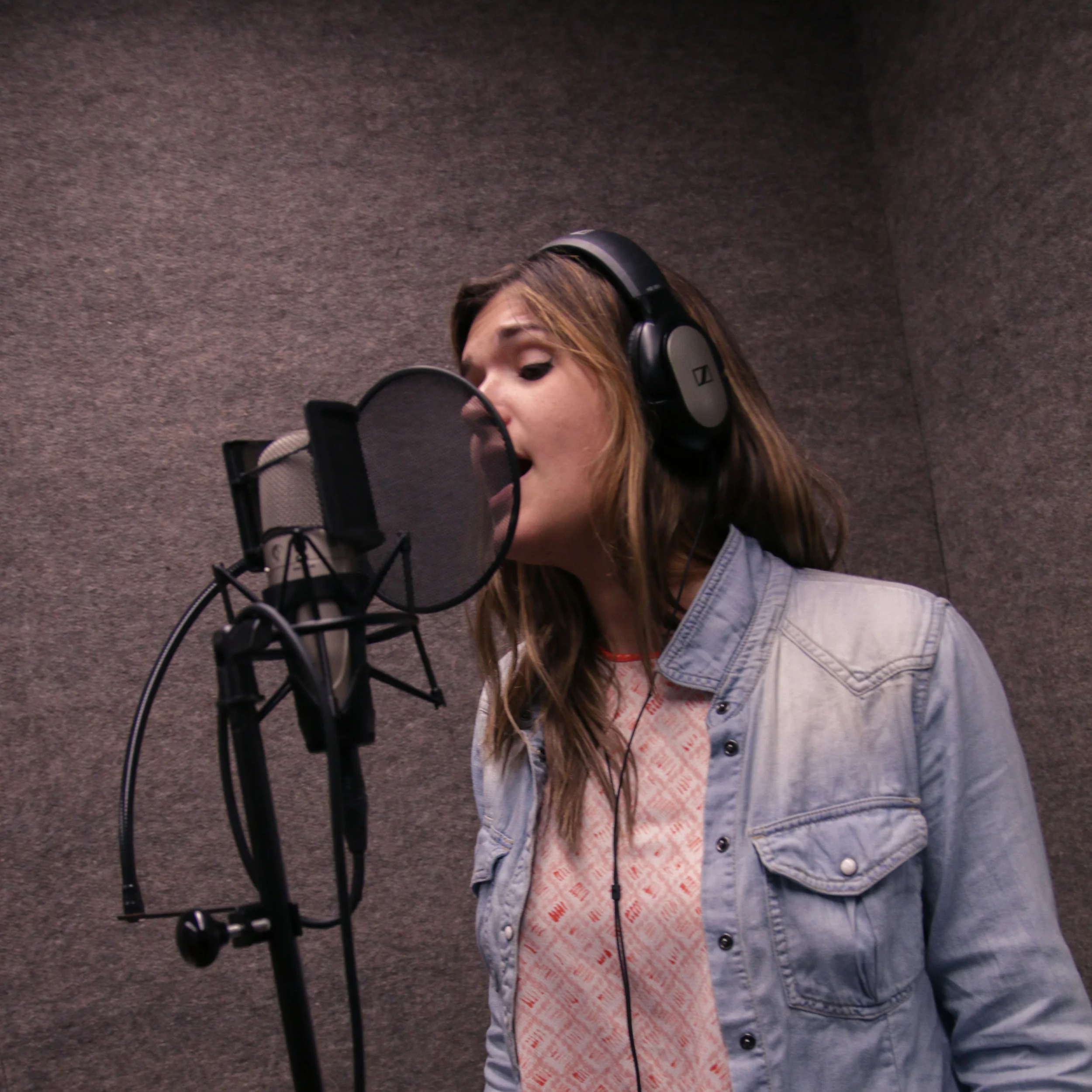
Students will explore the full recording process from concept to final mix while creating their own vocal tracks. In this hands-on class, campers will work together using ProTools and Melodyne to record, edit, and tune their music while learning the fundamentals of studio workflow. No prior experience or equipment is required, but students should bring a notebook and writing utensil to take notes. By the end of the course, participants will understand how to set up a ProTools session, record multiple tracks, tune them with Melodyne, and become familiar with the terminology and equipment used in modern recording arts.

Barbershop
(Appropriate for all levels)
Barbershop singing, often called the “martial art” of a cappella, is a powerful way to strengthen musicianship in any vocal style. In this class, students explore barbershop harmony to develop better tuning, blending, balance, and ensemble awareness. Using a variety of barbershop examples, campers will practice matching and supporting the melody, shaping phrases through lyrics, and building performances that feel natural, expressive, and engaging for an audience. The skills learned in this aca-major translate directly to stronger, more confident singing in any a cappella group.


Live Production
Students will learn the fundamentals of live production for a cappella performances, focusing on stage setup, lighting, and sound reinforcement. This beginner-level class introduces essential concepts such as microphone technique, gain and volume control, signal flow, and basic live sound EQ and effects. Campers will also explore best practices for protecting equipment, safe transport and power use, understanding performance venues, and running monitors for a group. By the end of the course, students will gain hands-on experience setting up and breaking down live sound equipment and develop a strong understanding of what it takes to run sound for an a cappella performance.
Delivering the Solo: The Heart of A Cappella
(Appropriate for all levels)
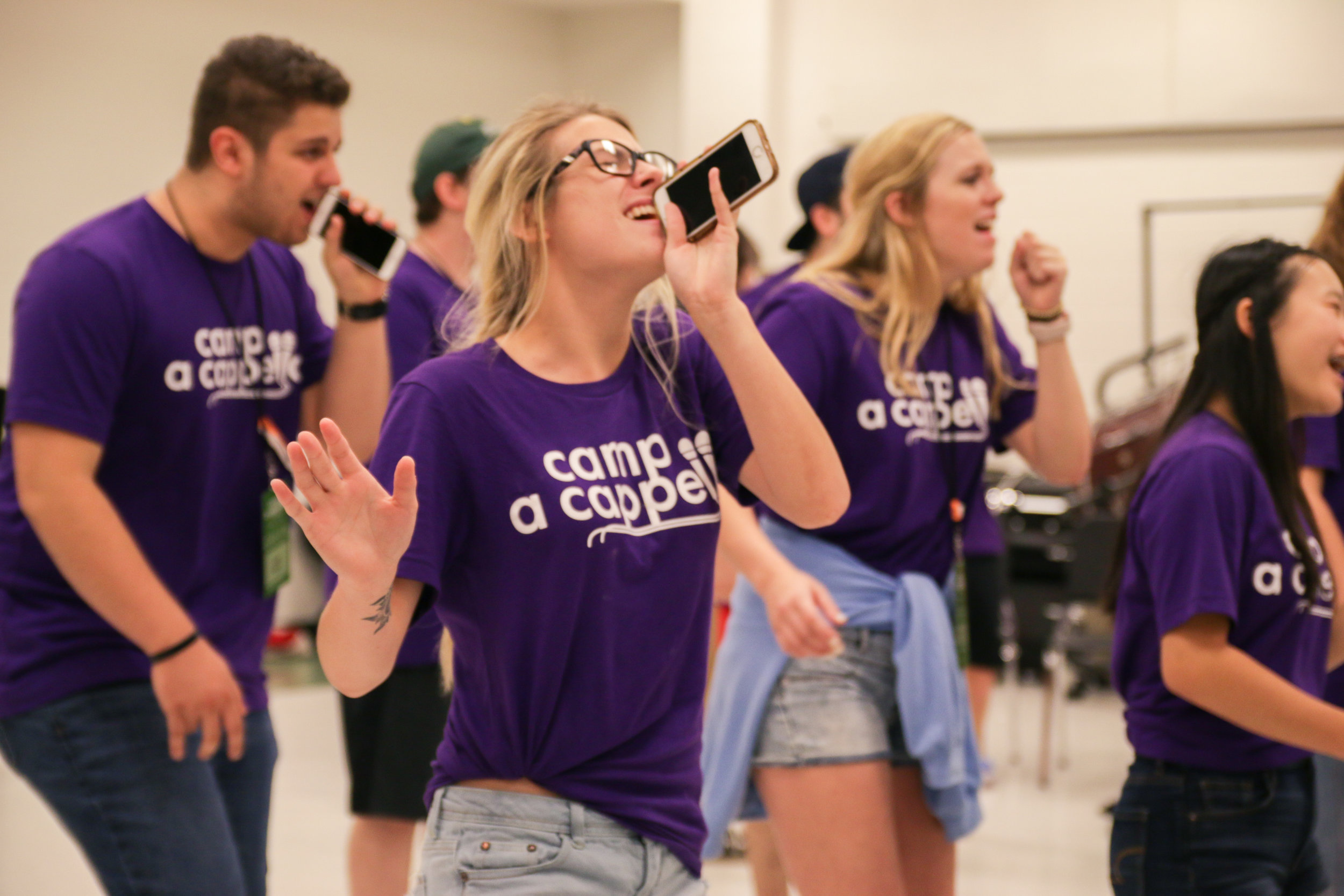
This aca-major focuses on the heart of a cappella performance—the solo. While much rehearsal time in vocal groups is spent on ensemble work, this class is designed to help singers develop confidence and artistry as soloists. Students will explore song selection, emotional storytelling, ornamentation and riffing, imitation versus originality, and techniques that help turn a simple solo into a compelling performance. Additional topics may include vocal anatomy, healthy singing practices, and strategies for delivering powerful solos while maintaining vocal health.
Song Writing
(Appropriate for all levels)
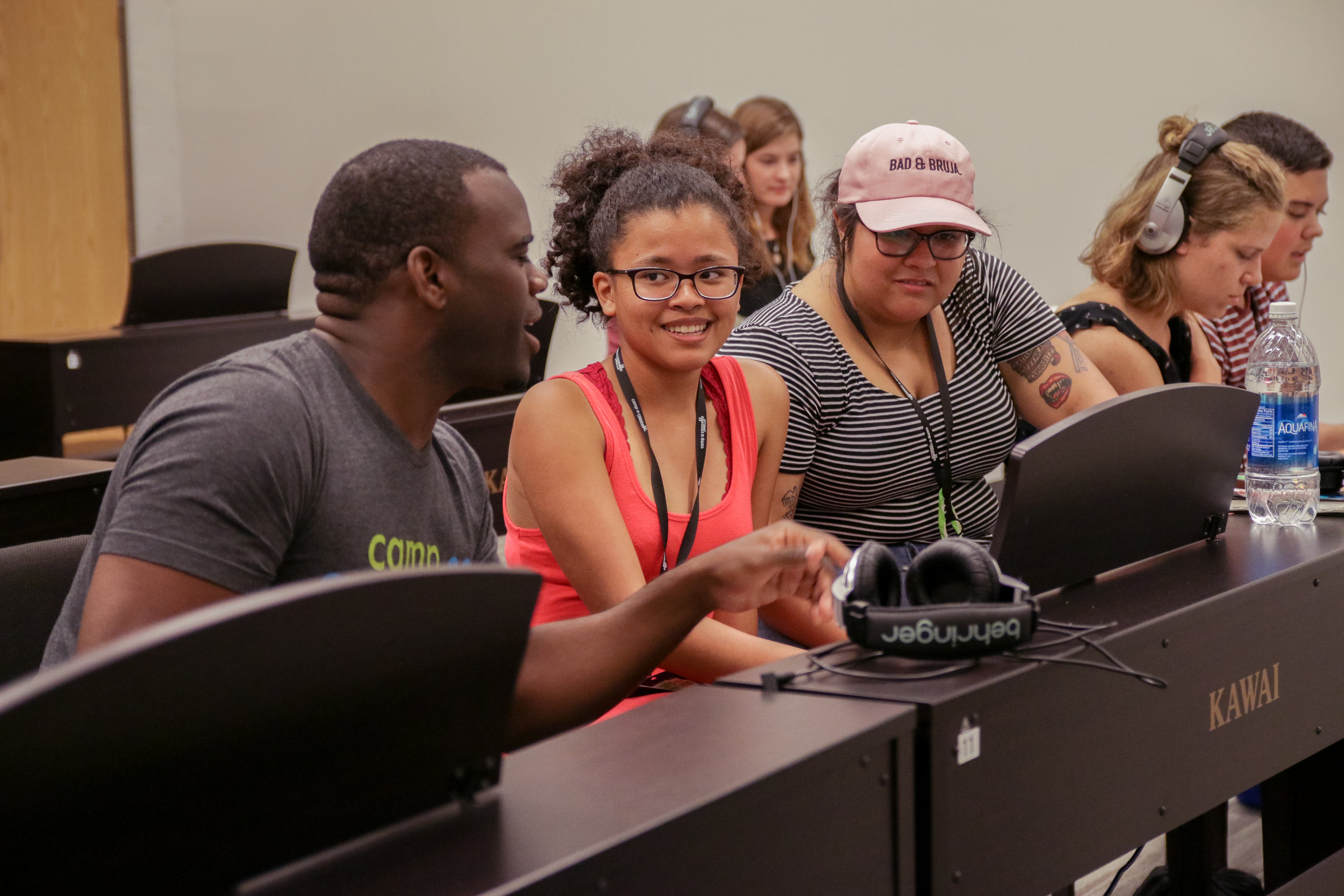
Students will explore the foundations of songwriting while developing the skills needed to turn ideas into original songs. This aca-major focuses on crafting lyrics, shaping melodies, and understanding song structure while encouraging creativity and personal expression. Campers will experiment with storytelling through music, explore different approaches to melody and harmony, and collaborate with others as they begin writing their own material. By the end of the class, students will have a stronger understanding of the songwriting process and tools they can use to continue developing their own songs.
The Rhythm Section
(Appropriate for all levels)
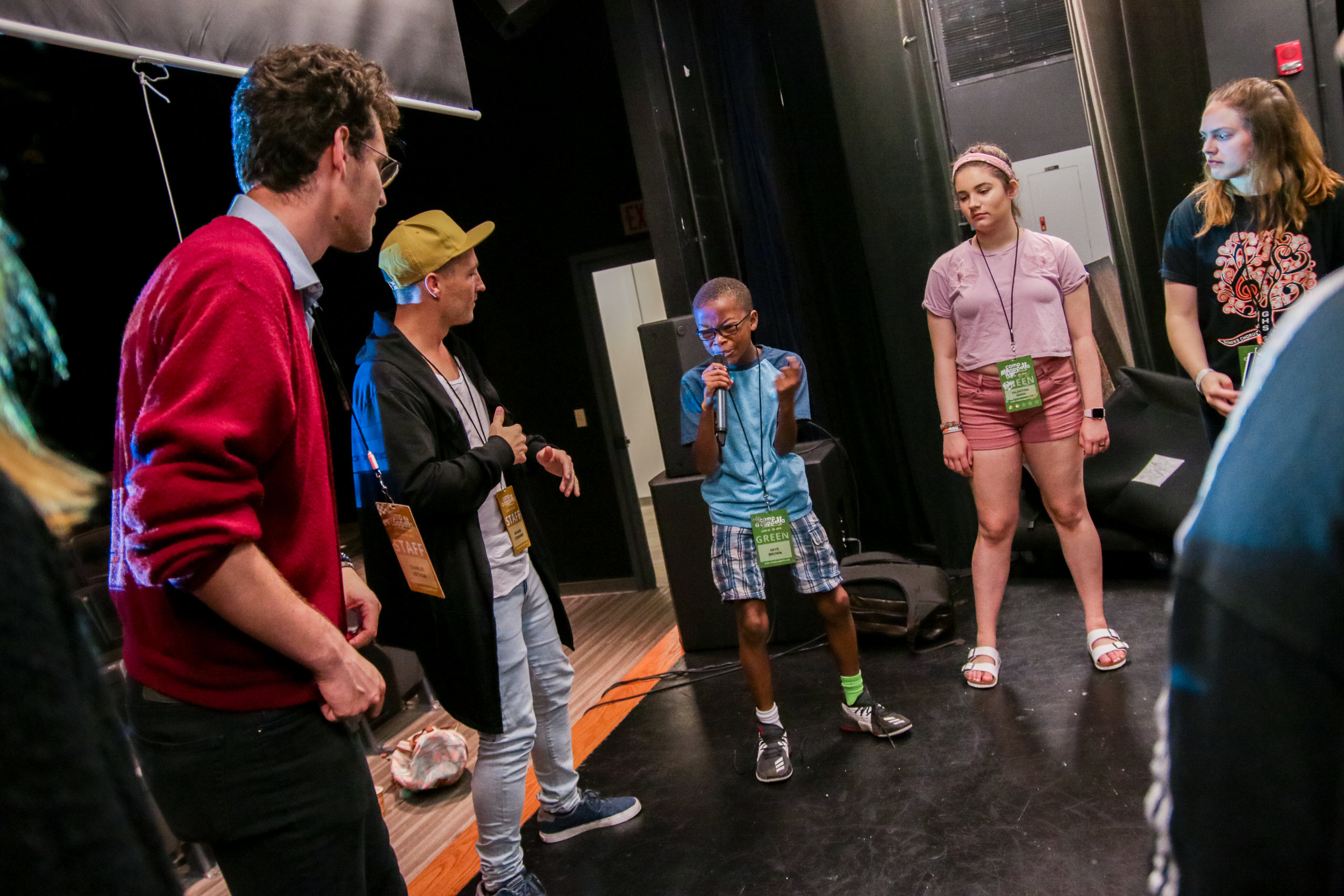
This aca-major is designed for vocal percussionists and bass singers who want to strengthen their skills and elevate their role in the rhythm section. Students will focus on key elements such as song structure, tone, placement, groove, breath patterns, and techniques for building complex rhythms independently. Campers should have a general familiarity with vocal percussion or bass techniques and be ready to work closely with instructors while receiving constructive feedback. By the end of the course, students will develop strategies to become stronger, more confident rhythm section performers within their ensembles.

Beginning Vocal percussion
(Appropriate for all levels)
This beginner-friendly aca-major introduces campers to the basics of vocal percussion and beatboxing. Students will learn how to create foundational sounds and rhythms, explore practice techniques for improving their skills, and understand the important role rhythm plays in a cappella music. No prior experience is required—this class encourages experimentation, creativity, and having fun while discovering how to use the voice as a percussion instrument.
Vocal Electronica
(Appropriate for all levels)
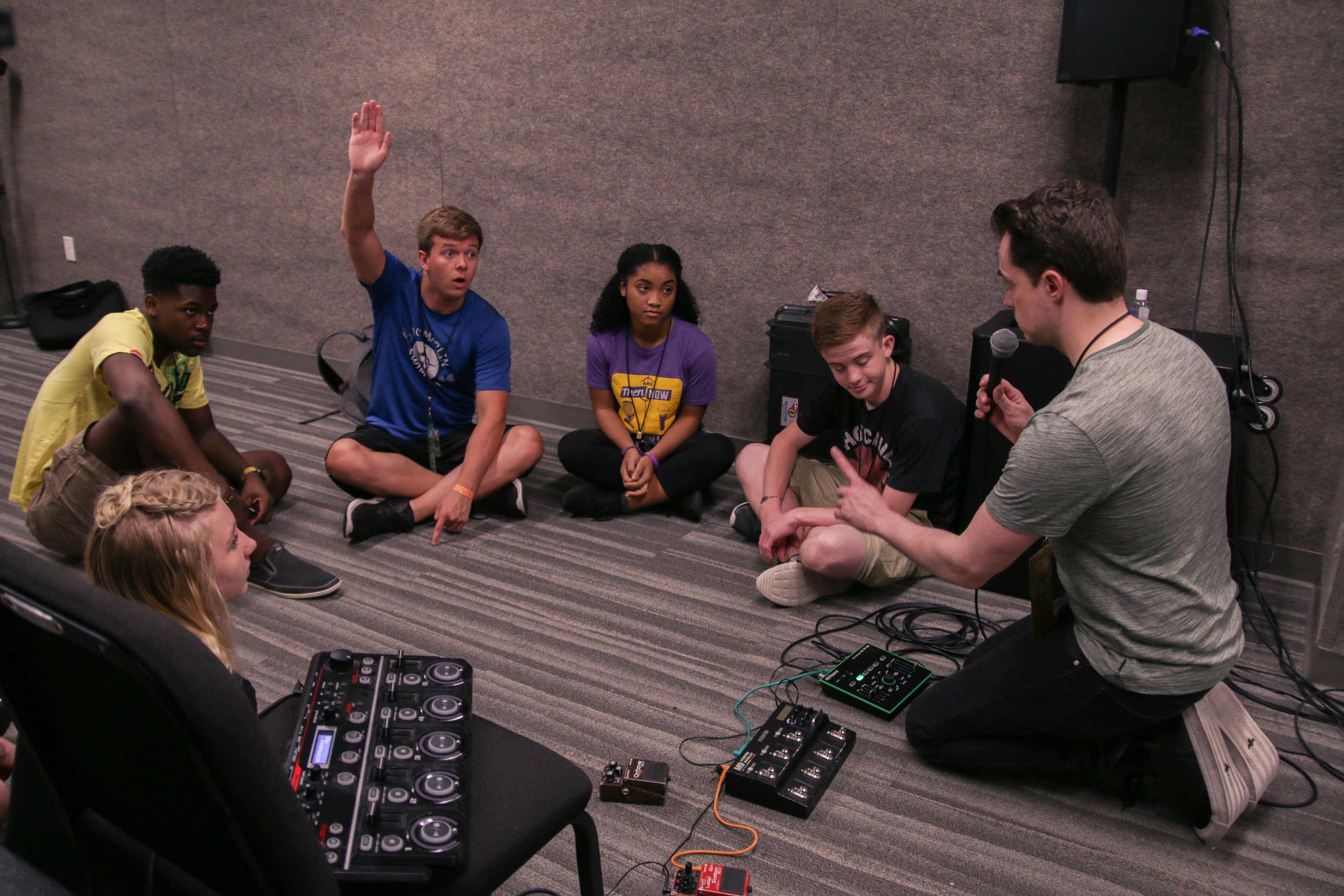
Students will explore how looping technology and electronic effects can enhance live a cappella performances. This aca-major introduces the equipment and software used to expand vocal sound, inspired by innovative groups that blend voices with technology. Campers will experiment with creative ways to use looping and effects to build layered performances, whether adding simple elements to a group arrangement or creating a fully developed solo performance. The class focuses on using technology thoughtfully to amplify the power of the voice while opening new creative possibilities for modern a cappella music.

Directing An A Cappella Group
(Suggested level for College and Above)
This aca-sampler is designed for current and future educators who are interested in starting or strengthening a contemporary a cappella program. The class explores practical topics such as organizing auditions, selecting repertoire, finding arrangers, managing ensembles, and building a sustainable group culture. Through an open forum format, participants can ask questions, share experiences, and discuss real-world challenges while learning strategies that help a cappella programs thrive in schools and communities.

Video production
(Appropriate for all levels)
Students will learn the essential skills needed to bring their a cappella group into the digital spotlight. We cover the fundamentals of planning and managing a video shoot, basic video editing techniques, and strategies for creating engaging online content for vocal groups. Campers will explore how to organize, film, edit, and distribute video projects while learning about time management and troubleshooting common production challenges. Students are encouraged to bring an external storage device and may bring their own cameras, smartphones, or laptops with editing software, though equipment and a computer lab with editing tools will be available for use during the course.

A Cappella and the Art of Movement
As contemporary a cappella continues to grow, many groups are incorporating choreography to enhance their performances. In this aca-major, students will explore how movement can strengthen musical storytelling by discussing, designing, and implementing their own choreography. Campers will learn what makes choreography effective, how it can elevate a group’s performance, and what pitfalls to avoid when adding movement to a set. By the end of the course, students will feel confident creating visual plans for their repertoire and applying choreography that complements the music in a meaningful way.